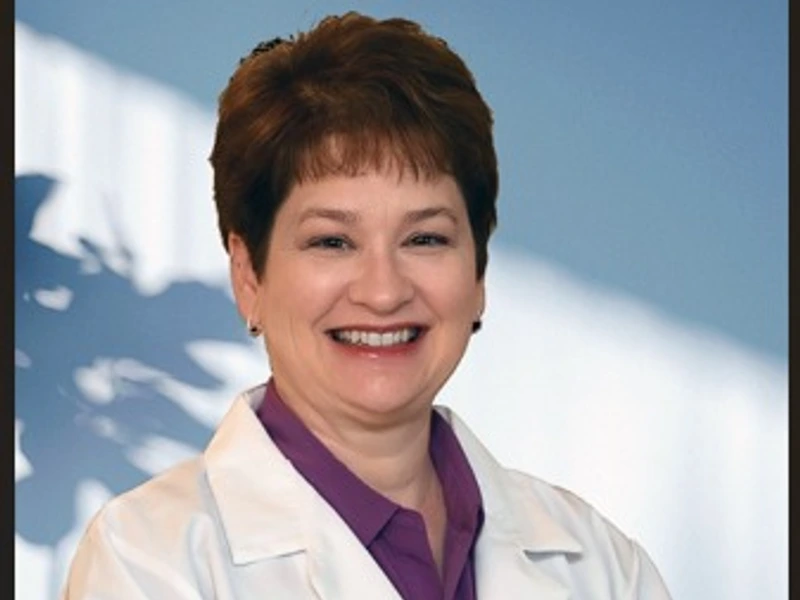
Tuesday, August 25th, 2026 12:00 PM EDT -3:00 PM EDT Dr. Kris Christiansen
Yahoo!
Description
Sex therapists routinely encounter clients navigating decisions about contraception, safer sex practices, and sexual health concerns—yet formal training in these areas is often limited. This three-hour presentation equips graduate sex therapy students with a practical, clinician-informed understanding of modern contraceptive methods, sexually transmitted infections, and the ways these topics intersect with the psychological and relational dimensions of sexual health. From hormonal and long-acting reversible contraceptives to barrier methods and emerging prevention strategies like PrEP, participants will gain the foundational medical literacy needed to support informed client conversations and recognize when referral to a medical provider is warranted. Beyond the clinical basics, this course explores how contraception and STI concerns shape sexual desire, pleasure, body image, relationship dynamics, and communication between partners—including the impact of contraceptive side effects on sexual function, the emotional consequences of STI diagnosis and disclosure, stigma reduction, and culturally sensitive approaches to discussing sexual health across diverse populations. Participants will leave with a framework for integrating medical knowledge into sex therapy practice, bridging the gap between the exam room and the therapy room.
Like this webinar? Click here to view packages that contain this webinar.
About the Presenter:
Learning Objectives:
- Help participants identify how shame, fear, and stigma influence client disclosure and decision making in sexual health conversations, and apply therapeutic approaches that support openness and emotional safety
- Strengthen clinicians’ understanding of common STIs, essential diagnostic and treatment points, and emerging prevention options such as PrEP, and integrate this knowledge into client discussions in a clinically appropriate way.
- Enhance participants’ ability to explain contraceptive options, including long-acting, short-acting, and barrier methods, while incorporating key considerations related to adolescence, STI risk, and conditions such as hyperandrogenism/PCOS.
- Support clinicians in applying ethical principles and case-based reasoning to real-world scenarios involving STIs, contraception, and sexual health decisions, promoting informed and compassionate client care.
Agenda:
12:00–12:15 | Welcome Introductions
-
Instructor introduction and course overview
-
Icebreaker: Participants share one question they've received from a client about contraception or STIs that they felt unprepared to answer
-
Review of learning objectives
12:15–12:55 | Contraception: What You Need to Know (Objective 1)
-
Overview of contraceptive categories: hormonal (pills, patch, ring, injection), long-acting reversible contraceptives (IUDs, implant), barrier methods (condoms, diaphragm), permanent methods, and fertility awareness-based methods
-
Effectiveness rates: perfect use vs. typical use
-
Emergency contraception: options and access
-
Sexual side effects of hormonal contraception:
-
Potential negative effects: decreased libido, reduced arousal and lubrication, diminished clitoral sensitivity, dyspareunia, mood changes (depression, anxiety), and elevated sex hormone-binding globulin (SHBG) reducing free testosterone
-
Potential positive effects: reduced menstrual pain and bleeding, decreased fear of unintended pregnancy (which can enhance desire and spontaneity), improvement in acne and hirsutism supporting body image and sexual confidence, and stabilization of mood-related cycle fluctuations
-
-
Guided Discussion: What assumptions or gaps in knowledge do you notice among your clients regarding contraception? How might misinformation affect sexual decision-making in relationships?
12:55–1:25 | STIs: What You Need to Know (Objective 1)
-
Overview of common STIs: chlamydia, gonorrhea, syphilis, herpes, HPV, HIV, and hepatitis B
-
Transmission, symptoms, screening recommendations, and treatment basics
-
Prevention strategies: condoms, dental dams, vaccination (HPV, hepatitis B), and PrEP/PEP for HIV
-
Brief Activity – Myth or Fact: Instructor presents common STI misconceptions; participants respond and discuss as a group
1:25–1:35 | Break
1:35–2:10 | The Intersection of Sexual Health and Sex Therapy (Objective 2)
-
How hormonal contraceptives can affect desire, arousal, lubrication, and mood
-
The sexual and relational impact of condom negotiation and barrier method use
-
Emotional and psychological consequences of STI diagnosis: shame, anxiety, grief, and identity
-
STI disclosure in relationships: timing, communication, and partner dynamics
-
Guided Discussion: How do you currently address contraceptive side effects or STI-related distress in session? What feels comfortable, and where do you feel you need more tools?
2:10–2:45 | Integrating Sexual Health Into Practice (Objective 3)
-
Building comfort with sexual health conversations: language, normalizing, and destigmatizing
-
Culturally sensitive approaches across diverse populations (LGBTQ+ clients, adolescents, clients with disabilities, religious or cultural considerations)
-
Knowing your scope: when and how to refer to medical providers
-
Role-Play Activity: In pairs, participants practice a brief therapeutic exchange in which a client raises a contraception or STI concern. One partner plays the therapist, the other the client. Debrief as a group focusing on what language felt effective and where participants felt uncertain.
2:45–3:00 | Wrap-Up Q
-
Key takeaways and summary of learning objectives
-
Resource list: recommended references, patient-facing handouts, and referral pathways
-
Open Q and final reflections
Accreditation - This Webinar Offers 3 Live Interactive Continuing Education Credits
- Therapist Express is recognized by the New York State Education Department's State Board for Mental Health Practitioners as an approved provider of continuing education for licensed creative arts therapists. #CAT-0122.
- Therapist Express is recognized by the New York State Education Department's State Board for Mental Health Practitioners as an approved provider of continuing education for licensed marriage and family therapists #MFT-0129.
- Therapist Express is recognized by the New York State Education Department's State Board for Mental Health Practitioners as an approved provider of continuing education for licensed mental health counselors. #MHC-0325.
- Therapist Express is recognized by the New York State Education Department's State Board for Psychology as an approved provider of continuing education for licensed psychologists #PSY-0275.
- Therapist Express is recognized by the New York State Education Department's State Board for Social Work as an approved provider of continuing education for licensed social workers #SW-0774.
- The School of Sex Therapy is an approved continued education provider for the International Association of Psychosexual Therapists. The School of Sex Therapy maintains responsibility for this program and its content.
This presentation is open to:
- Behavior Analysts
- Social Workers
- Professional Counselors
- Therapists
- Psychologists
- Licensed Mental Health Practitioners
- Medical Doctors and Other Health Professionals
- Other professionals interacting with populations engaged in mental health based services
This online class is offered at an introductory level, and is beneficial for a beginner level clinician:
- New practitioners who wish to gain enhanced insight surrounding the topic
- Experienced practitioners who seek to increase and expand fundamental knowledge surrounding the subject matter
- Advanced practitioners seeking to review concepts and reinforce practice skills and/or access additional consultation
- Managers seeking to broaden micro and/or macro perspectives
Additional information
- Refunds: Learners who wish to withdraw from a program of study must do so at least two (2) weeks prior to the start of the initial course to receive a full refund, minus a 10% administrative fee. For withdrawals made one (1) week or less before the start of the initial course, learners are eligible for a 60% refund. Learners who have already started their training and decide to withdraw will remain responsible for the full cost of any courses or workshops they have completed or begun. However, they will not be charged for any future courses or workshops. In the event of an emergency that prevents a learner from continuing the program according to their completion plan, they may request a leave of absence.
- Disability Access: If you require ADA accommodations, please contact our office 30 days or more before the event. We cannot ensure accommodations without adequate prior notification.
- Please Note: Licensing Boards change regulations often, and while we attempt to stay abreast of their most recent changes, if you have questions or concerns about this course meeting your specific board’s approval, we recommend you contact your board directly.
- The grievance policy for trainings provided by SoST is available here
- Satisfactory Completion: Certificates are available after satisfactory course completion in your account or by clicking here
- Participants will receive their certificate electronically upon completion of the webinar and course evaluation form.
- There is no conflict of interest or commercial support for this program.
- System Requirements: Any device (such as a computer, tablet, or phone), Dual-Core 2 GHz or higher processor, and at least 4 GB of RAM capable of running a Zoom session, along with a stable internet connection.
- Although early registration is recommended for this class in order to ensure the best experience, attendees may register and join until the start of the program